


Asking for Help: A Journey of Acceptance and Strength

Have you ever found it challenging to ask for help? Perhaps you've felt like you're a burden to your loved ones, or that you're somehow less capable if you need assistance. I certainly did, especially when I was first diagnosed with COPD.
Admitting I needed help was incredibly difficult for me. I didn't want to inconvenience anyone or give the impression that I couldn't manage on my own.
The day I realized stubbornness wasn't helping me
I recall attending a family reunion on a sweltering summer day. The heat and humidity made it a struggle to breathe, let alone do anything else. When people offered to help me with simple tasks, like fetching food or drinks, I would insist on doing it myself, despite being overwhelmed. I'd gasp for air, juggling my oxygen machine and trying to appear like everything was fine. Looking back, I wish I had accepted the help offered with love and kindness.
My stubbornness stemmed from my upbringing. My mother, who suffered from crippling arthritis from a young age, never complained or asked for help unless absolutely necessary. She was my role model, and I wanted to emulate her strength. However, this mindset made it even harder for me to ask for help when I needed it. As a certified nursing assistant, I was accustomed to being the caregiver, not the one receiving care. Admitting my body was changing and that I needed support was a significant challenge.
Overcoming the guilt of needing support
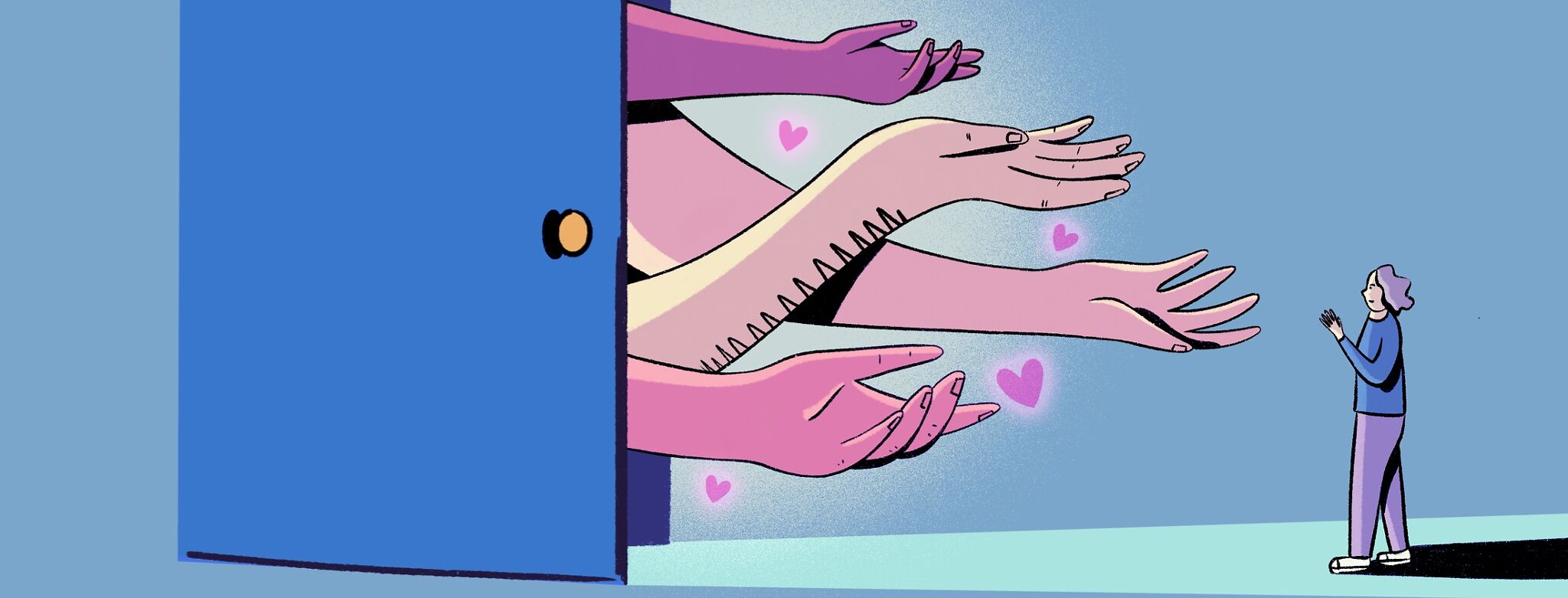
Even with the support of my husband, Dave, I struggled to accept help. He would reassure me, "Don't worry, I'll take care of you," but I felt guilty and worried that he would think I was giving up or not trying hard enough. I felt lazy and frustrated, unable to do the things I wanted without becoming breathless. The fear of being perceived as weak or incapable was overwhelming.
Redefining what strength means
As I learned more about my conditions – COPD, RA (Rheumatoid Arthritis), and OA (Osteoarthritis) – I began to understand that asking for help doesn't mean I'm weak. It means I'm taking care of myself in the best way possible. I've come to realize that doing what I can is enough, even if it takes me longer. And when I truly can't do something, it's okay to ask for help.
My loved ones have reminded me countless times that I'm not a burden, and I've finally started to believe them. Accepting help has been a game-changer. It's allowed me to conserve my energy for the things that truly matter – exercise, daily tasks, and spending time with loved ones. I've learned to prioritize my well-being and recognize that asking for help is a sign of strength, not weakness.
You are not a burden: Why accepting help is brave
I've also realized that I'm not alone in this struggle. Many people face similar challenges, whether it's due to illness, disability, or simply needing support during a tough time. By sharing my story, I hope to inspire others to be kinder to themselves and to accept help when they need it.
Learning to ask for help hasn't been easy, but it's been worth it. It's taught me that accepting support doesn't diminish my independence; it gives me strength. If you're struggling to ask for help, I want you to know that you're not alone. You are not a burden, and you deserve support just as much as anyone else. Sometimes, letting others help is one of the bravest things you can do.
This or That
Do you feel like you have a good COPD support system?
It's okay to be vulnerable and to admit that you need help. It's okay to ask for assistance, and it's okay to prioritize your own well-being. Remember, you are not defined by your illness or your limitations. You are strong, capable, and deserving of love and support.
As I continue on this journey, I'm learning to be more compassionate towards myself and to accept help with gratitude. I hope you will too.
Join the conversation